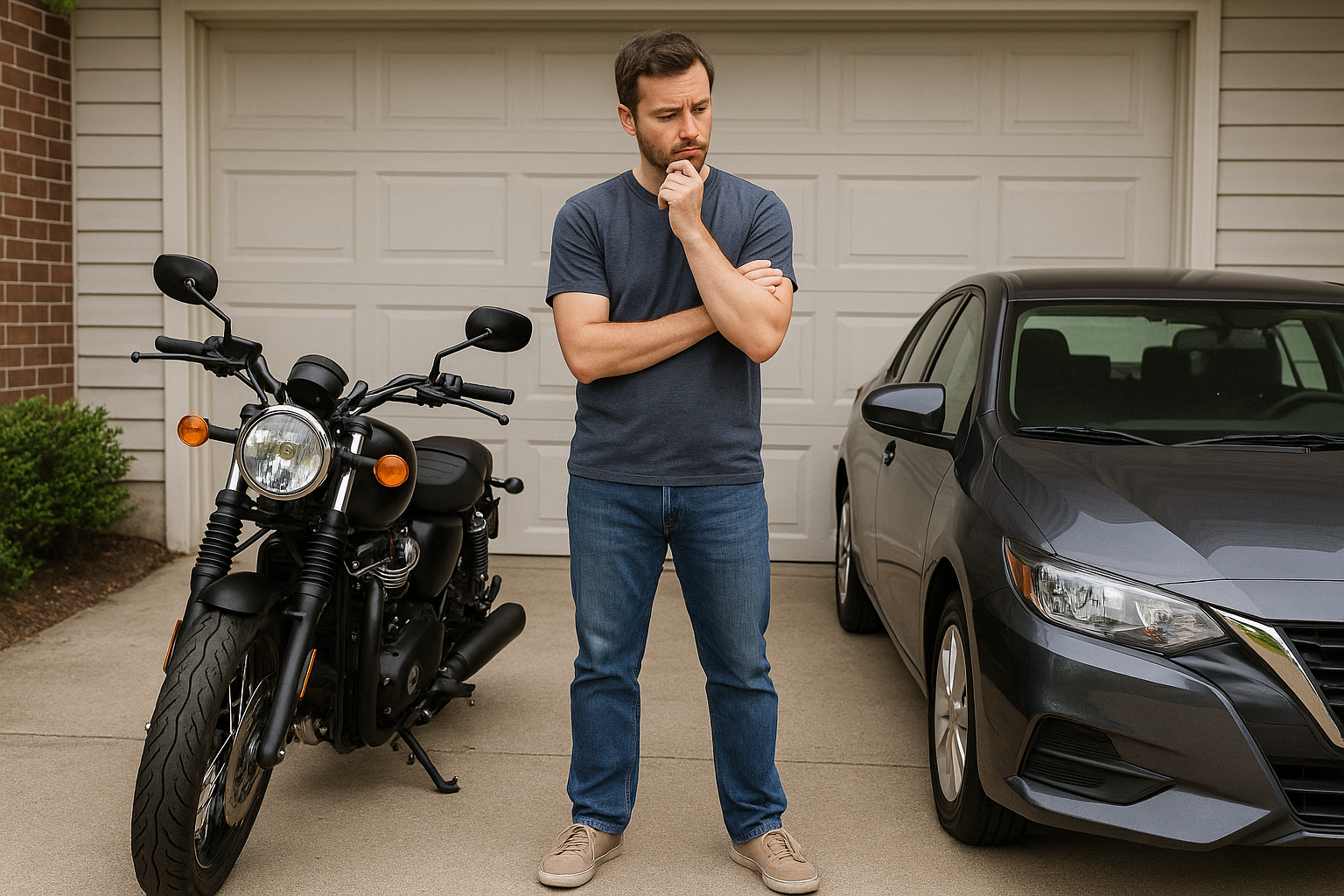





Motorcycle insurance is an essential part of responsible riding. Every motorcyclist needs coverage for both legal and financial protection. If you own a motorcycle or are planning to buy one, you should understand how insurance works. Policies can seem complicated, so it helps to break down the basics. In this article, you will learn about motorcycle insurance coverage, what affects your rates, how to choose a policy, and ways to save money. After reading, you will be more confident about making decisions regarding your motorcycle insurance. Let us take a closer look at everything you need to know. Motorcycle Insurance Easily Defined is a must read for every rider.
Understanding the Basics of Motorcycle Insurance Coverage
First, understanding what motorcycle insurance covers is vital for all riders. Most motorcycle insurance policies include liability coverage, which pays for injuries or damage you cause to others. In addition, many policies offer collision coverage to help repair or replace your own bike after an accident. You may also see comprehensive coverage, which protects you if your bike is stolen or damaged by non-collision events. Personal injury protection or medical payments coverage can help pay for your medical bills after an accident. Each policy contains different features, so you should read the details carefully.
Secondly, every state has its own legal requirements for motorcycle insurance. Some states only require basic liability coverage, while others demand higher minimums or additional types of protection. For example, uninsured or underinsured motorist coverage can protect you if another driver causes an accident but has little or no insurance. Knowing your state’s laws helps you avoid penalties and ride with confidence. When in doubt, contact your insurance provider to clarify what coverage you need.
Finally, you should know about optional add-ons for extra peace of mind. Roadside assistance, for example, covers towing and other emergencies if your bike breaks down. You might also want accessory coverage for custom parts and gear. Although basic coverage is required by law, these add-ons can help you recover faster after unexpected setbacks. When you understand the basic types of motorcycle insurance, you can choose the best protection for your needs. Motorcycle Insurance Easily Defined is a must read.
Factors That Affect Rates
Motorcycle Insurance Easily Defined shows why many riders wonder why insurance rates can vary so widely. Your age and experience as a rider will often affect your premium. For instance, younger or less experienced riders usually pay more since insurers consider them higher risk. On the other hand, older riders with a proven safety record typically get lower rates. In addition, your driving history matters a lot, so maintaining a clean record can save you money.
Another important factor is the type of motorcycle you own. High-performance bikes or sports models usually cost more to insure because they are involved in more accidents. Conversely, touring or cruiser motorcycles often result in lower premiums due to their safer design. The value of your bike also plays a role, since expensive bikes cost more to repair or replace. Insurance companies look at all these details before setting your rate.
Additionally, where you live can impact what you pay for insurance. Urban areas with heavy traffic and higher theft rates usually have higher premiums. In contrast, riders in rural areas may enjoy lower costs due to fewer accidents and thefts. Your annual mileage also matters since more time on the road increases your risk of filing a claim. Every insurer uses its own formula, so it helps to shop around and compare quotes.
Choosing the Right Motorcycle Insurance Policy
Motorcycle Insurance Easily Defined is about selecting the right motorcycle insurance policy starts with assessing your personal needs. Think about how often you ride and where you store your bike. If you only use your motorcycle for short weekend trips, you might not need as much coverage as someone who rides daily. On the other hand, frequent riders often benefit from more comprehensive protection. Always consider the value of your bike and any customizations you have made.
When comparing policies, pay close attention to the coverage limits and deductibles. Higher coverage limits mean more protection but usually come with higher premiums. However, a lower deductible means you pay less out of pocket after an incident, which can be helpful if you have a limited budget. You should always read the fine print to know exactly what is covered and what is not. If you have questions, do not hesitate to call an insurance agent for guidance.
Moreover, customer service and claims processing are important factors when choosing a provider. A company with a good reputation for handling claims quickly and fairly can make a big difference after an accident. Read reviews and ask other riders about their experiences. By comparing quotes and researching insurers, you can find a policy that offers the best balance of coverage, cost, and service. Making an informed choice will give you greater peace of mind on the road.
Tips for Saving Money on Motorcycle Insurance
There are several effective ways to reduce your motorcycle insurance costs. First, consider taking a defensive driving or motorcycle safety course. Many insurers offer discounts to riders who complete approved training since safer riders file fewer claims. Additionally, maintaining a clean driving record over time can result in lower premiums. Safe riding habits not only keep you protected but also save money.
Next, think about adjusting your coverage to match your needs. For example, if you have an older bike that is not worth much, you might skip comprehensive or collision coverage. Increasing your deductible can also lower your premium, although you will pay more out of pocket after a claim. Bundling your motorcycle insurance with other policies, such as auto or homeowners insurance, can also lead to significant savings. Insurance companies often reward loyal customers with multi-policy discounts.
Furthermore, it pays to shop around for the best rates. Get quotes from several different companies each year, especially if your circumstances change. You may be surprised at how much prices can vary between providers. Some insurers offer loyalty or renewal discounts, so ask about any special programs. By reviewing your policy regularly and exploring all your options, you ensure you never pay more than necessary.
Conclusion
Motorcycle insurance is more than just a legal requirement. It is a smart way to protect yourself, your bike, and your finances. Every rider faces risks on the road, so having the right coverage prepares you for unexpected events. When you understand the basics of motorcycle insurance, you can choose a policy with confidence. You also know what factors affect your rates and how you can influence them. Careful policy selection helps you meet your unique needs without overpaying. Always review your options, ask questions, and read the fine print before making a decision. Taking a safety course, comparing providers, and customizing your coverage can all help you save money.