




Articles

Clear Explanations for Everyday Protection

Cost Differences

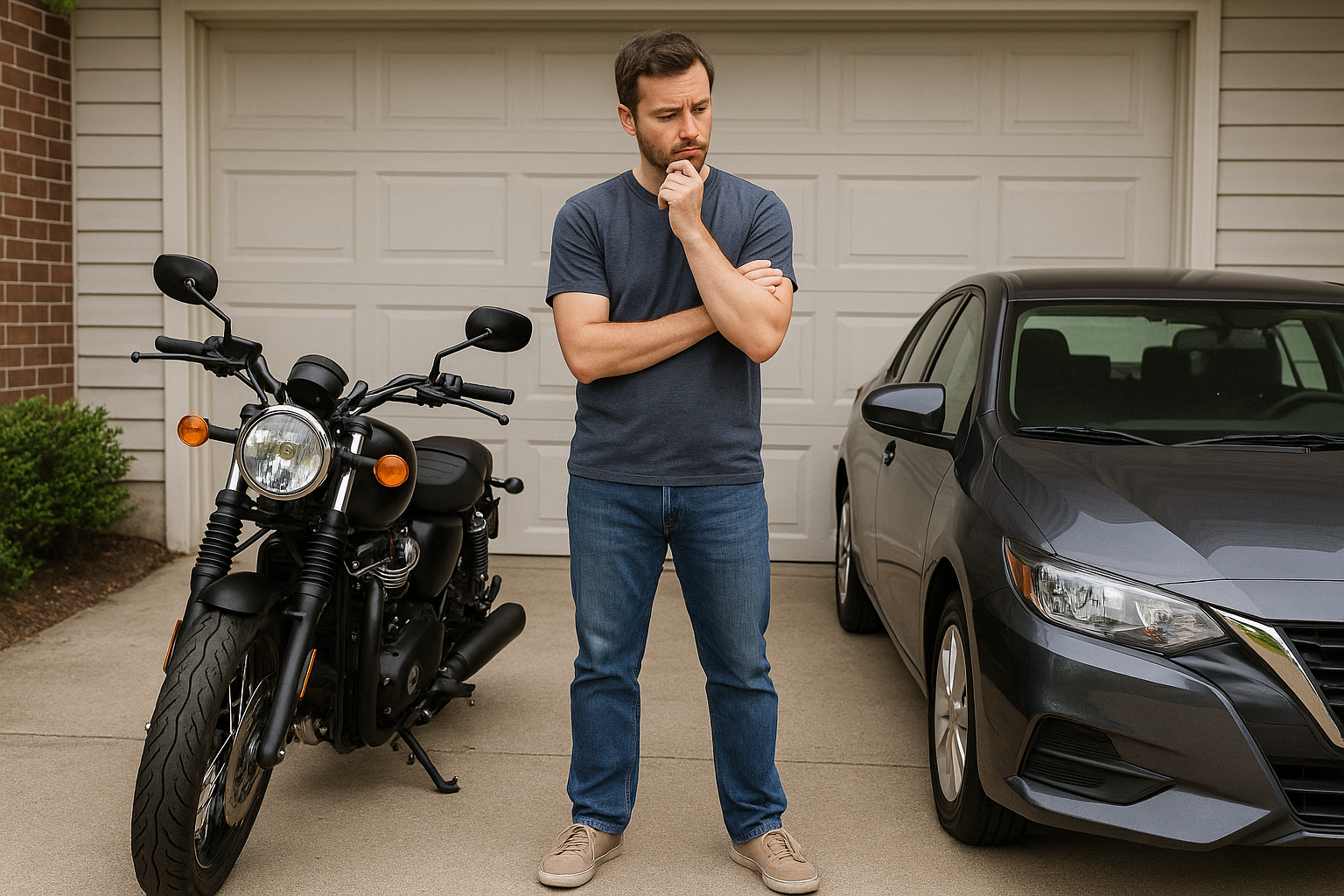
Some vehicles bring smaller repair bills and are used less often, which leads to noticeable differences in what people pay.

Finding the Right Policy

Online tools make it simpler to gather quotes, review options, and identify details that affect long-term value and security.

Trust in Providers

Clear communication, flexible options, and openness help certain providers stand out in today’s fast-changing world.

Understanding the Challenge

From Confusion to Clarity

Insurance decisions often feel uncertain, whether comparing premiums, reviewing coverage, or interpreting policy terms. Costs vary across vehicles, homes, and providers, creating complexity that many individuals find difficult to navigate.

Confusion grows when details are hidden in fine print or when coverage rules differ widely. Clear explanations and transparent comparisons help transform this uncertainty into understanding, making it easier for families to approach insurance with confidence.

Dive Into the Details

  • Understanding Your Home Ownership Insurance Quotes

    Understanding your home ownership insurance quotes can feel confusing at first. Many homeowners find themselves wondering what all the numbers and terms really mean. You might feel overwhelmed by the variety of coverage options and prices. However, learning how to read and compare these quotes can save you both money and stress. As you explore insurance options, knowing what to look for helps you get the right protection for your home. In the end, a little knowledge can go a long way in making you feel confident about your choice. Let’s dive into the essentials of home ownership insurance quotes so you can make an informed decision.

    What Is Home Ownership Insurance and Why Do You Need It

    Homeowners’ insurance, often called homeowners’ insurance, is a policy that protects your house and belongings from unexpected events. For example, fires, storms, theft, or vandalism can cause major losses, and your insurance will help cover those costs. Insurance is also important because many mortgage lenders require you to have it before they will approve your loan. By maintaining an active policy, you not only meet lender requirements but also gain peace of mind knowing you are financially safeguarded.

    Beyond protecting your property, homeowners’ insurance usually includes liability coverage. If someone gets hurt on your property, your insurance can cover legal fees and medical costs. Many people do not realize how quickly expenses can add up in such situations until they happen. Even if you think accidents are unlikely, it is wise to prepare for the unexpected. When you review your policy, check that liability coverage is included and that it meets your needs.

    In addition, home ownership insurance often covers living expenses if your home becomes uninhabitable due to a covered event. For instance, if a fire forces you out of your home, insurance may pay for temporary accommodations and meals. Living without insurance could mean paying all those costs yourself, which can be financially devastating. Because risks are always present, maintaining adequate coverage is a smart move for every homeowner. Understanding the basics of home ownership insurance helps you make better decisions when shopping for a policy.

    Key Elements That Make Up Your Insurance Quote

    Every insurance quote consists of several main components that determine what you pay and what is covered. First, the dwelling coverage amount represents the cost to repair or rebuild your home if it gets damaged or destroyed. Insurance companies calculate this amount based on your home’s size, construction materials, and local building costs. By knowing this number, you can avoid being underinsured or overpaying for unnecessary coverage.

    Second, your insurance quote includes personal property coverage, which insures your belongings inside the house. Items like furniture, electronics, clothing, and appliances are usually covered under this part of the policy. Providers typically offer a percentage of your dwelling coverage for personal property, but you can adjust this amount if needed. Always take an inventory of your possessions to make sure your coverage matches what you own. That way, you can replace your things with less financial strain after a loss.

    Another key element in your quote is the deductible, which is the amount you pay out of pocket before the insurance kicks in. A higher deductible usually lowers your premium, but it means paying more upfront when you file a claim. You should choose a deductible that fits your budget and comfort level. In addition to these core parts, your quote may include optional add-ons such as flood or earthquake coverage. Reviewing each section carefully ensures you understand the protection your policy offers.

    How to Compare Quotes from Different Insurance Providers

    Comparing insurance quotes from different providers is an important step in finding the best policy. Start by gathering at least three quotes for your home, making sure each one has similar coverage limits and deductibles. When you compare apples to apples, you get a clear picture of which company offers the best deal. Also, look for differences in extra features or discounts that may be included in some quotes but not others.

    Pay close attention to the fine print in each quote, because small differences can have a big impact. For example, some policies may offer replacement cost coverage while others only pay actual cash value for damages. That means your payout could be much higher or lower depending on the policy you choose. Always ask about exclusions and limitations, so you are not surprised by uncovered costs later on. Taking the time to read each quote thoroughly can help you avoid costly mistakes.

    After reviewing the coverage details, research each insurance provider’s reputation and customer service record. Check online reviews, ratings from independent agencies, and feedback from friends or family members. Reliable companies often process claims quickly and offer helpful support when you need it most. If you notice a provider has many complaints or slow response times, it may be best to look elsewhere. By considering both coverage and service, you set yourself up for a smoother experience if you ever need to file a claim.

    Tips for Saving Money on Your Home Insurance Policy

    Many homeowners look for ways to lower their insurance costs without sacrificing necessary coverage. One effective strategy is to bundle your home and auto policies with the same provider, which often leads to significant discounts. Insurance companies reward loyal customers, so combining policies can help you save right away. You should also ask about other discounts for things like installing security systems, smoke detectors, or being claims-free for several years.

    Raising your deductible can also reduce your premium, but make sure you have enough savings set aside in case you need to file a claim. Another tip is to review your coverage limits and endorsements each year, since your needs may change over time. Removing outdated or unnecessary coverage can lower your bill, while updating your policy ensures you are still protected. Many people overlook these regular check-ins, but they can make a big difference in your overall costs.

    Shopping around at renewal time is another smart way to keep your premiums in check. Sometimes, staying with your provider for many years can lead to higher rates that newer customers do not pay. By comparing quotes each year, you can spot better deals and negotiate with your current insurer for a lower price. Staying proactive about your home insurance can save you money and help you get the best value for your coverage.

    Conclusion

    Understanding your home ownership insurance quotes can help you make informed choices that protect your most valuable asset. As you review quotes from different providers, always pay close attention to coverage limits, deductibles, and any additional features. Comparing similar policies side by side helps you see where you can save money or get better protection. Remember to check the reputation of each company, since fast and reliable claim service can be just as important as the price. By taking an inventory of your belongings and checking for available discounts, you can tailor your policy to fit your needs.  


  • Why Motorcycle Insurance Costs Less Than Car Insurance

    Many people notice a surprising difference in insurance costs when comparing motorcycles to cars. Motorcycles almost always come with lower premiums. As you explore the reasons, you will see that several key factors distinguish these two types of vehicles. Insurance companies look at risk, cost, and how we use our cars to determine the final price. Although motorcycles can seem risky, they often cost less to insure than cars. Understanding the reasons behind this can help you make smarter decisions when shopping for insurance. Here, we’ll break down the main reasons why motorcycle insurance is generally less expensive than car insurance. By doing so, you will gain a clearer perspective on how insurers calculate your coverage costs. Let’s examine what distinguishes these two vehicle types in the eyes of insurance providers.

    Introduction to Motorcycle vs. Car Insurance Costs

    Many people assume that motorcycles should cost more to insure than cars due to safety concerns. However, insurance data at https://floridainsurancequotes.net/motorcycle-insurance-quote/ tells a different story. On average, most motorcycle owners pay less for insurance than car owners do. The reasons for this cost difference are not always immediately apparent. Insurance companies carefully analyze the risk, replacement value, and usage associated with each type of vehicle. By comparing motorcycles and cars, insurers spot patterns that help them set fair prices. When you understand how these patterns affect your premiums, you become a more informed consumer. Many riders enjoy the benefit of lower monthly bills thanks to these insurance calculations. That knowledge can help you budget wisely and better understand your coverage.

    Insurance providers use a range of criteria to set their premiums. The value of the vehicle and the frequency of use play a significant role. For motorcycles, these aspects often result in less expensive coverage. Fewer motorcycle miles mean less risk for the insurer to cover. In contrast, car owners tend to put in more daily miles, exposing their cars to more situations where accidents could happen. Since motorcycles are often a secondary vehicle, their risk profile looks different from that of cars. This difference becomes clear when examining the details of insurance pricing.

    Even with concerns about motorcycle safety, premiums remain lower. Many factors work together to keep motorcycle insurance costs down. Insurers calculate not just accident risk but also the average claim size and payout. As motorcycles are less costly to replace or repair, they do not burden insurers as heavily as cars do. Thanks to these advantages, riders pay less to protect their bikes than most car owners pay for their vehicles. Understanding these basics lays the groundwork for exploring the specific reasons behind the insurance cost difference.

    Key Differences in Vehicle Value and Replacement Costs

    One of the primary reasons motorcycle insurance costs less is the value of the vehicle itself. Generally, motorcycles are far less expensive to purchase than most cars. Therefore, if an accident occurs and the bike is stolen, the insurer pays out a smaller amount. For example, a new motorcycle often costs several thousand dollars less than even a modest new car. When companies calculate your premium, they factor in the highest amount they might need to pay to replace your vehicle. A lower replacement value means a negligible risk for them, and that leads to a lower premium for you.

    Many motorcycles are built with fewer expensive features than cars. Cars often come with advanced technology, in-car entertainment systems, and high-end parts. All these extras can drive up both the value and the repair cost. Since motorcycles are simpler vehicles, repairs and replacements are usually quicker and less costly for insurers. A car’s higher value and expensive parts add to the insurance company’s potential costs. On the other hand, motorcycles require significantly less money to repair or replace.

    Replacement costs factor into every insurance quote. When accidents occur, cars may require significant repairs or even a complete replacement. Insurance claims for vehicles are often higher due to their value and the complexity of their components. Motorcycles, by comparison, result in smaller claims. Insurers notice these trends and adjust their pricing to reflect the lower potential loss. As a result, most riders see a smaller insurance bill each year.

    How Risk Assessment Impacts Insurance Premiums

    Insurers look closely at risk when setting car insurance premiums at https://floridainsurancequotes.net/florida-auto-insurance/. They study accident rates, types of accidents, and the chances of a total loss. Although motorcycle accidents can be severe, the frequency of claims remains lower overall. Most motorcycle owners ride only during certain seasons or in good weather, which means fewer miles and less exposure to danger. When compared to the daily use of most cars, the risk to the insurer often appears lower.

    Insurers also consider the frequency with which each vehicle type is involved in claims. Since cars are on the road every day, they face more risks from other drivers, the weather, and road conditions. Motorcycles, on the other hand, typically see the road less often. Insurance companies know that less time on the road usually means fewer opportunities for accidents. This lower exposure helps explain why motorcycle insurance costs less.

    Underwriters utilize complex models to assess the risk associated with each vehicle. They look at years of data to predict how likely it is that a rider will file a claim. For motorcycles, the numbers show fewer claims per policyholder. Insurers take this information and set their prices accordingly. Although the consequences of a motorcycle accident can be severe, the overall risk profile keeps premiums lower for riders than for car owners.

    The Role of Usage Patterns in Insurance Pricing

    The way people use motorcycles and cars has a significant impact on insurance costs. Many motorcycle owners use their bikes for recreation or short trips rather than daily commuting. As a result, motorcycles spend less time on the road. Insurance companies recognize that less time in traffic usually means a lower chance of accidents. When you ride fewer miles, your risk to the insurer drops, and your premium follows.

    Cars serve a different purpose for most people. Daily drives to work, errands, and family outings mean that cars accumulate many more miles each year. The more miles driven, the greater the potential for accidents, theft, or damage to occur. Insurance premiums reflect the higher risk associated with daily use. Insurers have studied these patterns for years and found that motorcycles simply pose less risk based on mileage alone.

    Seasonal use also plays a part. Many riders store their motorcycles during the winter months, taking them out only when the weather is pleasant. This seasonal pattern further reduces the risk of claims. Meanwhile, car owners drive in all conditions year-round, facing hazards from ice, rain, or snow. Insurance companies adjust their rates to reflect these differences in how each vehicle gets used. Lower usage translates to a lower insurance bill for most motorcycle owners.

    Claim Frequency and Severity: Motorcycles vs. Cars

    Insurance companies closely monitor the frequency of claims filed and the associated costs. Although motorcycle crashes can lead to serious injuries, the number of insurance claims remains lower compared to cars. Many motorcycle accidents do not result in expensive property damage, as bikes are smaller and often used on less crowded urban roads. Insurers see fewer high-dollar payouts for motorcycles, even when accidents occur.

    Car accidents often result in larger claims. When two cars collide, both vehicles may require extensive repairs or even a full replacement. These claims can involve multiple parties, and the costs add up quickly. Motorcycles, in contrast, usually involve only one vehicle and cause less property damage. Insurance companies factor in both the frequency of claims and the cost of those claims. Fewer claims and lower average payouts keep motorcycle insurance prices low.

    Another aspect is the severity of the claims. While injuries in motorcycle accidents can be severe, the overall financial cost to the insurer is often less than that of cars. Property damage claims for cars can skyrocket, especially with newer vehicles that have expensive parts. Motorcycles rarely rack up such high repair bills. As a result, insurers keep premiums lower for motorcycles because they expect fewer expensive claims over the policy’s life.

    Conclusion: Understanding the Cost Gap in Insurance

    Understanding why motorcycles are less expensive to insure than cars requires examining several key factors. Insurance companies set prices based on the value of the vehicle, the risk of loss, and the frequency of claims filed. Since motorcycles typically cost less to purchase and repair, insurers assume less financial risk. Usage patterns also play a significant role. Most motorcycle owners ride their bikes less often and usually avoid harsh weather conditions. When you ride fewer miles, you face fewer chances of accidents, and that leads to lower premiums.

    Additionally, the claim history for motorcycles shows that insurers pay out less money on average compared to cars. Lower claim frequency and lower severity both work in favor of motorcycle riders. When you add up all these elements, the picture becomes clear. Insurers utilize data and experience to offer lower premiums for motorcycles, making them a more attractive choice for many riders. Understanding these differences helps you make informed insurance decisions and ensures you know what to expect when comparing costs between motorcycles and cars.


  • How to Find and Compare Homeowners Insurance Quotes Online

    Finding the right homeowners insurance policy can feel overwhelming at first. Many people worry about choosing the wrong plan or paying too much. However, the internet makes it easier than ever to compare homeowners insurance quotes quickly. With just a few clicks, you can see a range of offers from different companies and make an informed decision. When you take the time to understand how the process works, you can save both time and money. In this article, you will learn how to use online tools to find and compare homeowners insurance quotes with confidence. By following clear steps, you can choose the best policy for your needs and budget.

    Understanding Homeowners Insurance and Its Importance

    Homeowners insurance provides financial protection against unexpected damages or losses to your home. For example, it can cover repairs after a fire, theft, or natural disasters. Many mortgage lenders require you to have homeowners insurance before they approve a loan. Because of this, finding the right coverage is not just a wise choice, but often a necessary one.

    Not all homeowners insurance policies are the same; therefore, it is essential to read the details carefully. Some policies may include extra benefits such as liability protection or coverage for personal belongings. When you understand what is covered and what is not, you can avoid surprises later. By knowing your options, you can also decide if you want more coverage for valuable items or special risks.

    In addition, homeowners insurance from https://floridainsurancequotes.net/florida-homeowners-insurance/ brings peace of mind. If something goes wrong, you know help is available to repair or replace your property. Furthermore, having the right policy can also save you money in the long run. Claims can be expensive, but insurance helps you manage those costs. Therefore, taking the time to learn about homeowners insurance can protect both your house and your finances.

    Getting Started with Online Insurance Quote Tools

    Online insurance quote tools can make your search much easier. Many websites give you access to several insurance options in one place so that you can save time and effort. Instead of calling several companies, you simply enter your information once and receive multiple quotes. As a result, you can easily compare prices and features.

    To begin, select a reputable website that collaborates with reputable insurance providers. Always look for customer reviews and ratings to ensure the tool is reliable and trustworthy. Most online quote tools require basic details about your home, including its age, location, and size. Additionally, they may inquire about your current insurance policy and your history of claims. Providing accurate information helps you get the most precise quotes.

    Once you enter your details, the online tool presents several homeowners insurance quotes. You can filter results by price, coverage, or other features. Because everything happens online, you can compare quotes at your own pace. If you have questions, many sites also offer live chat or customer support. Therefore, you can make informed choices before contacting any insurance agent directly.

    Steps to Collect Accurate Homeowners Insurance Quotes

    Before you request quotes, gather important information about your home. Create a list of details, including the year your house was built, its square footage, and the materials used in its construction. You should also be aware of any safety features, such as smoke detectors or security systems, that may be installed. Furthermore, include recent updates or renovations, as those can affect your quote.

    Next, visit several insurance quote websites and fill in their online forms. Each site will request similar information, but some may require additional details. Be honest and thorough in your answers, as missing or incorrect information may lead to inaccurate quotes. Additionally, consider noting any special items or high-value belongings you would like to have covered. When you provide full details, you receive more accurate and relevant offers.

    After submitting your details, review the quotes you receive. Most websites clearly display the price, coverage limits, and any deductibles. You should take notes or save each offer so you can compare them later. By keeping everything organized, you make the comparison process smoother. If you notice significant differences between quotes, double-check your information to spot any errors. Always ask questions if something seems unclear or too good to be true.

    Comparing Homeowners Insurance Offers for Best Value

    When you have several quotes in hand, look beyond the price alone. While a low premium can be appealing, you need to consider what is actually covered. Pay attention to coverage limits, deductibles, and any exclusions that may apply. Additionally, verify if the policy includes liability protection or coverage for personal belongings. By comparing all the details, you can avoid picking a plan that leaves you underinsured.

    You should also look at the reputation of each insurance provider. Search for reviews and ratings from other policyholders, as customer service can significantly impact your experience if you ever need to file a claim. If a company has poor reviews or limited support, it may not be worth saving a few dollars. Consider how easily you can contact the insurer and how quickly they handle claims. Good customer service often leads to a more positive overall experience.

    In summary, the best value is achieved through a balanced combination of price, coverage, and service. Create a simple chart to compare your top choices from https://floridainsurancequotes.net/florida-homeowners-insurance/ side by side. By reviewing all the details, you will feel confident in your final decision. Always take your time and avoid rushing. When you compare both the costs and benefits, you increase your chances of finding a policy that meets your needs and budget.

    Tips for Saving Money When Choosing Your Final Policy

    Shopping around is one of the best ways to save money on homeowners insurance. By comparing several quotes, you can spot the most affordable options without sacrificing necessary coverage. Many companies offer discounts for bundling home and auto insurance, installing security systems, or having a good claims history. Always ask about any available discounts before choosing a policy.

    Raising your deductible is another way to lower your premium, but you should only do so if you can afford the higher out-of-pocket cost in an emergency. Consider reviewing your coverage every year, as your needs may change over time. If you renovate your home or add safety features, notify your insurer, as this may result in lower rates. Checking your policy for unnecessary extras can also help trim costs.

    Ultimately, maintaining a good credit score can help you secure more favorable insurance rates. Paying bills on time and reducing debt make you appear less risky to insurers. Many people overlook this step, but it can lead to significant savings over time. When you combine these tips, you have a better chance of finding quality coverage at a fair price. Always review your options carefully before making a final choice.

    In Closing

    Finding and comparing homeowners insurance quotes online does not have to be complicated. When you understand what coverage you need, online quote tools make the process quick and straightforward. By collecting accurate information and using reputable websites, you can receive a range of offers tailored to your home. Comparing the details of each policy helps you identify the best value and avoid common pitfalls. Remember to check both the price and the quality of service, as both matter in an emergency. Taking the time to review your options can lead to better coverage and peace of mind.

    Additionally, following a few money-saving tips can help you keep your costs low while still protecting your most valuable asset. The internet gives you powerful tools to make informed choices, so use them to your advantage. As you compare homeowners insurance quotes, stay organized and ask questions when needed. With patience and careful planning, you will find a policy that fits your needs and budget.

Articles

Explore Key Issues