
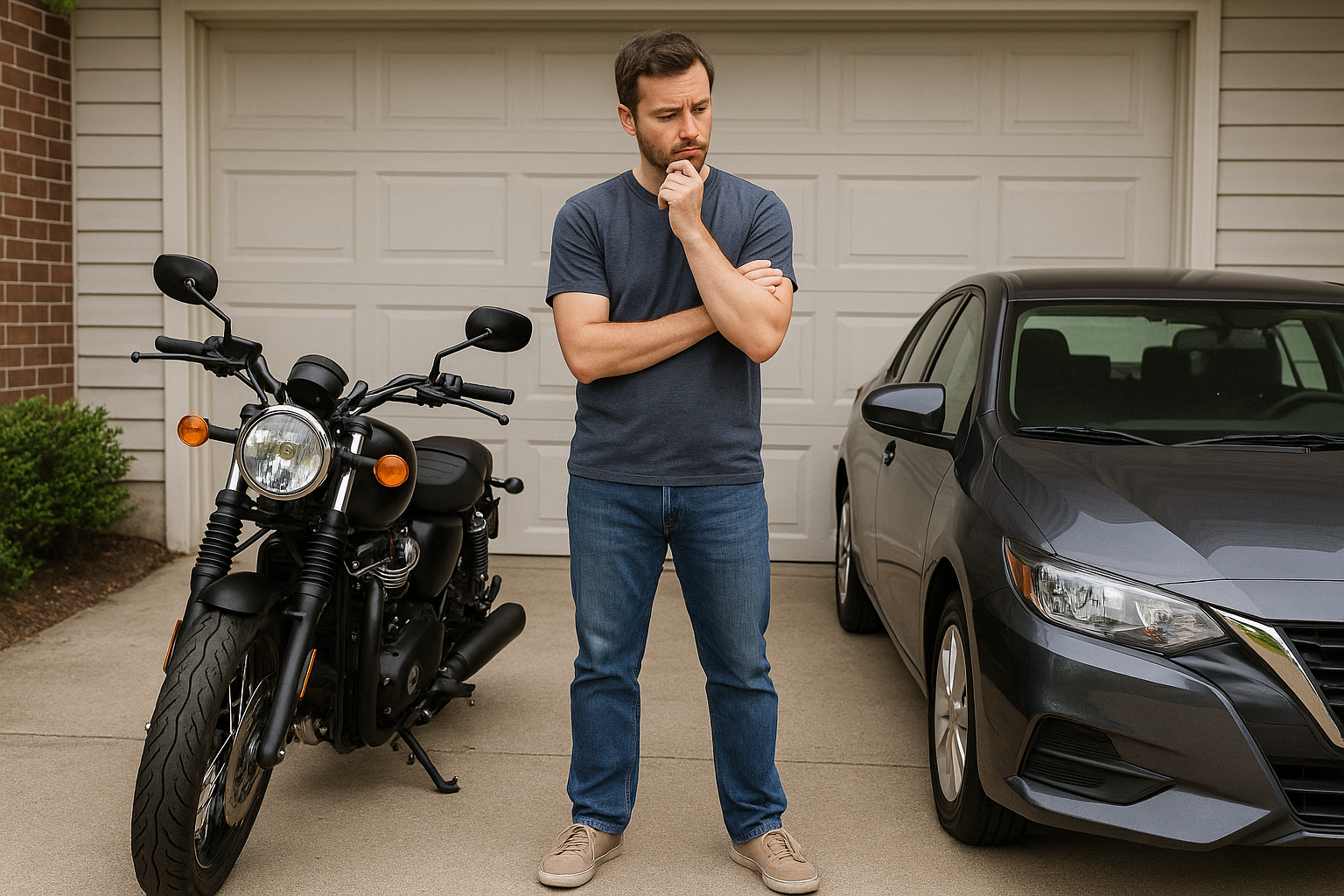
Many people notice a surprising difference in insurance costs when comparing motorcycles to cars. Motorcycles almost always come with lower premiums. As you explore the reasons, you will see that several key factors distinguish these two types of vehicles. Insurance companies look at risk, cost, and how we use our cars to determine the final price. Although motorcycles can seem risky, they often cost less to insure than cars. Understanding the reasons behind this can help you make smarter decisions when shopping for insurance. Here, we’ll break down the main reasons why motorcycle insurance is generally less expensive than car insurance. By doing so, you will gain a clearer perspective on how insurers calculate your coverage costs. Let’s examine what distinguishes these two vehicle types in the eyes of insurance providers.
Introduction to Motorcycle vs. Car Insurance Costs
Many people assume that motorcycles should cost more to insure than cars due to safety concerns. However, insurance data at https://floridainsurancequotes.net/motorcycle-insurance-quote/ tells a different story. On average, most motorcycle owners pay less for insurance than car owners do. The reasons for this cost difference are not always immediately apparent. Insurance companies carefully analyze the risk, replacement value, and usage associated with each type of vehicle. By comparing motorcycles and cars, insurers spot patterns that help them set fair prices. When you understand how these patterns affect your premiums, you become a more informed consumer. Many riders enjoy the benefit of lower monthly bills thanks to these insurance calculations. That knowledge can help you budget wisely and better understand your coverage.
Insurance providers use a range of criteria to set their premiums. The value of the vehicle and the frequency of use play a significant role. For motorcycles, these aspects often result in less expensive coverage. Fewer motorcycle miles mean less risk for the insurer to cover. In contrast, car owners tend to put in more daily miles, exposing their cars to more situations where accidents could happen. Since motorcycles are often a secondary vehicle, their risk profile looks different from that of cars. This difference becomes clear when examining the details of insurance pricing.
Even with concerns about motorcycle safety, premiums remain lower. Many factors work together to keep motorcycle insurance costs down. Insurers calculate not just accident risk but also the average claim size and payout. As motorcycles are less costly to replace or repair, they do not burden insurers as heavily as cars do. Thanks to these advantages, riders pay less to protect their bikes than most car owners pay for their vehicles. Understanding these basics lays the groundwork for exploring the specific reasons behind the insurance cost difference.
Key Differences in Vehicle Value and Replacement Costs
One of the primary reasons motorcycle insurance costs less is the value of the vehicle itself. Generally, motorcycles are far less expensive to purchase than most cars. Therefore, if an accident occurs and the bike is stolen, the insurer pays out a smaller amount. For example, a new motorcycle often costs several thousand dollars less than even a modest new car. When companies calculate your premium, they factor in the highest amount they might need to pay to replace your vehicle. A lower replacement value means a negligible risk for them, and that leads to a lower premium for you.
Many motorcycles are built with fewer expensive features than cars. Cars often come with advanced technology, in-car entertainment systems, and high-end parts. All these extras can drive up both the value and the repair cost. Since motorcycles are simpler vehicles, repairs and replacements are usually quicker and less costly for insurers. A car’s higher value and expensive parts add to the insurance company’s potential costs. On the other hand, motorcycles require significantly less money to repair or replace.
Replacement costs factor into every insurance quote. When accidents occur, cars may require significant repairs or even a complete replacement. Insurance claims for vehicles are often higher due to their value and the complexity of their components. Motorcycles, by comparison, result in smaller claims. Insurers notice these trends and adjust their pricing to reflect the lower potential loss. As a result, most riders see a smaller insurance bill each year.
How Risk Assessment Impacts Insurance Premiums
Insurers look closely at risk when setting car insurance premiums at https://floridainsurancequotes.net/florida-auto-insurance/. They study accident rates, types of accidents, and the chances of a total loss. Although motorcycle accidents can be severe, the frequency of claims remains lower overall. Most motorcycle owners ride only during certain seasons or in good weather, which means fewer miles and less exposure to danger. When compared to the daily use of most cars, the risk to the insurer often appears lower.
Insurers also consider the frequency with which each vehicle type is involved in claims. Since cars are on the road every day, they face more risks from other drivers, the weather, and road conditions. Motorcycles, on the other hand, typically see the road less often. Insurance companies know that less time on the road usually means fewer opportunities for accidents. This lower exposure helps explain why motorcycle insurance costs less.
Underwriters utilize complex models to assess the risk associated with each vehicle. They look at years of data to predict how likely it is that a rider will file a claim. For motorcycles, the numbers show fewer claims per policyholder. Insurers take this information and set their prices accordingly. Although the consequences of a motorcycle accident can be severe, the overall risk profile keeps premiums lower for riders than for car owners.
The Role of Usage Patterns in Insurance Pricing
The way people use motorcycles and cars has a significant impact on insurance costs. Many motorcycle owners use their bikes for recreation or short trips rather than daily commuting. As a result, motorcycles spend less time on the road. Insurance companies recognize that less time in traffic usually means a lower chance of accidents. When you ride fewer miles, your risk to the insurer drops, and your premium follows.
Cars serve a different purpose for most people. Daily drives to work, errands, and family outings mean that cars accumulate many more miles each year. The more miles driven, the greater the potential for accidents, theft, or damage to occur. Insurance premiums reflect the higher risk associated with daily use. Insurers have studied these patterns for years and found that motorcycles simply pose less risk based on mileage alone.
Seasonal use also plays a part. Many riders store their motorcycles during the winter months, taking them out only when the weather is pleasant. This seasonal pattern further reduces the risk of claims. Meanwhile, car owners drive in all conditions year-round, facing hazards from ice, rain, or snow. Insurance companies adjust their rates to reflect these differences in how each vehicle gets used. Lower usage translates to a lower insurance bill for most motorcycle owners.
Claim Frequency and Severity: Motorcycles vs. Cars
Insurance companies closely monitor the frequency of claims filed and the associated costs. Although motorcycle crashes can lead to serious injuries, the number of insurance claims remains lower compared to cars. Many motorcycle accidents do not result in expensive property damage, as bikes are smaller and often used on less crowded urban roads. Insurers see fewer high-dollar payouts for motorcycles, even when accidents occur.
Car accidents often result in larger claims. When two cars collide, both vehicles may require extensive repairs or even a full replacement. These claims can involve multiple parties, and the costs add up quickly. Motorcycles, in contrast, usually involve only one vehicle and cause less property damage. Insurance companies factor in both the frequency of claims and the cost of those claims. Fewer claims and lower average payouts keep motorcycle insurance prices low.
Another aspect is the severity of the claims. While injuries in motorcycle accidents can be severe, the overall financial cost to the insurer is often less than that of cars. Property damage claims for cars can skyrocket, especially with newer vehicles that have expensive parts. Motorcycles rarely rack up such high repair bills. As a result, insurers keep premiums lower for motorcycles because they expect fewer expensive claims over the policy’s life.
Conclusion: Understanding the Cost Gap in Insurance
Understanding why motorcycles are less expensive to insure than cars requires examining several key factors. Insurance companies set prices based on the value of the vehicle, the risk of loss, and the frequency of claims filed. Since motorcycles typically cost less to purchase and repair, insurers assume less financial risk. Usage patterns also play a significant role. Most motorcycle owners ride their bikes less often and usually avoid harsh weather conditions. When you ride fewer miles, you face fewer chances of accidents, and that leads to lower premiums.
Additionally, the claim history for motorcycles shows that insurers pay out less money on average compared to cars. Lower claim frequency and lower severity both work in favor of motorcycle riders. When you add up all these elements, the picture becomes clear. Insurers utilize data and experience to offer lower premiums for motorcycles, making them a more attractive choice for many riders. Understanding these differences helps you make informed insurance decisions and ensures you know what to expect when comparing costs between motorcycles and cars.